Navigating the complexities of PC gaming hardware can be challenging, especially as technology evolves rapidly. As we head into 2026, many gamers are asking: is 12GB RAM still sufficient for a smooth and enjoyable gaming experience? This comprehensive guide delves into the current and future RAM requirements for popular AAA titles, exploring how game engines, AI enhancements, and high-resolution textures impact memory usage. We'll analyze whether 12GB RAM provides enough headroom for multitasking, streaming, and running demanding applications alongside your favorite games. Discover the potential bottlenecks, performance advantages of higher RAM configurations, and practical upgrade considerations to future-proof your gaming rig. Whether you're building a new PC or looking to optimize an existing setup, understanding your RAM needs is crucial. Get ready to uncover the truth about 12GB RAM and its place in the 2026 gaming landscape, helping you make informed decisions for optimal performance and value.
Is 12GB RAM enough for AAA games in 2026?
No, 12GB RAM is generally insufficient for optimal AAA gaming in 2026. Most new titles recommend 16GB, and 12GB often leads to stuttering and slower load times due to insufficient memory headroom, especially when running background applications. It acts as a bottleneck for demanding games.
Can 12GB RAM cause stuttering in modern games?
Yes, 12GB RAM can definitely cause stuttering in modern games. When a game demands more memory than 12GB, the system offloads data to the much slower storage drive (virtual memory), resulting in noticeable frame rate drops, hitches, and a choppy gaming experience, particularly in open-world or graphically intense titles.
What is the minimum RAM recommended for gaming in 2026?
The minimum RAM recommended for a smooth gaming experience in 2026 is 16GB. This capacity provides adequate headroom for most current AAA games and allows for essential background applications to run without severely impacting game performance. 32GB is ideal for enthusiasts.
How does 12GB RAM compare to 16GB RAM for gaming performance?
16GB RAM offers a significant performance advantage over 12GB RAM for gaming in 2026. 16GB provides more memory headroom, drastically reducing stuttering, improving load times, and enabling smoother multitasking. Many games perform noticeably better and more consistently with 16GB, especially in dual-channel configuration, making it the preferred choice.
Should I upgrade from 12GB RAM to 32GB for gaming?
Upgrading from 12GB to 32GB RAM for gaming is an excellent investment for enthusiasts and those seeking maximum performance. It eliminates RAM as a bottleneck for virtually all current and future titles, supports heavy multitasking, streaming, and content creation, and future-proofs your system significantly. It offers a substantial leap over 12GB.
Does RAM speed matter with 12GB RAM for gaming?
Yes, RAM speed still matters with 12GB RAM, though capacity is often the primary bottleneck at this level. Faster RAM (e.g., DDR5 6000MHz+) can improve CPU-bound performance and minimum frame rates. However, if the 12GB capacity is constantly maxed out, even fast RAM won't prevent stuttering caused by memory shortage. Upgrade capacity first, then optimize speed.
Can 12GB RAM impact game streaming performance?
Yes, 12GB RAM can significantly impact game streaming performance. Streaming software, the game itself, and the operating system all consume substantial RAM. With only 12GB, your system will likely struggle to maintain smooth gameplay while simultaneously encoding and uploading a high-quality stream, leading to dropped frames, stuttering, and poor stream quality for viewers.
Is 12GB RAM Good for Gaming in 2026? A Comprehensive Guide
Welcome, fellow gamers, to 2026! The PC gaming landscape has never been more vibrant, with incredible advancements in graphics, AI, and immersive open worlds. From the photorealistic vistas powered by ray tracing and DLSS/FSR 4.0, to deeply intelligent NPCs driven by emergent AI, and the ever-growing popularity of cloud gaming complementing local rigs, our systems are being pushed harder than ever before. With games like Cyberpunk 2077's 'Phantom Liberty' sequel, Starfield's expanded universe, and revolutionary new titles leveraging Unreal Engine 6, system requirements continue their relentless march upwards. Amidst these innovations, a crucial question lingers for many PC builders and upgraders: is 12GB RAM good for gaming in 2026? This in-depth guide will dissect the role of system memory in modern gaming, evaluate the viability of 12GB RAM, and provide actionable insights to ensure your rig is ready for the challenges and triumphs of 2026 and beyond. We will explore key considerations, benchmarks, and potential upgrades, helping you decide if your current 12GB setup makes the cut or if it's time for an upgrade.
The Evolving Landscape of RAM in PC Gaming (2026 Edition)
In 2026, RAM isn't just about capacity; it's about speed, latency, and how efficiently your CPU can access it. DDR5 memory has matured significantly, with higher clock speeds (e.g., 6400MHz+ becoming mainstream) and tighter timings offering substantial performance uplifts over older DDR4. Modern game engines, particularly those designed for the latest console generation and PC optimization, are becoming incredibly adept at utilizing available system memory for large textures, complex physics calculations, and maintaining extensive open-world assets. The rise of AI-enhanced gameplay means more data processing, often relying on quick RAM access. Furthermore, as more gamers embrace 1440p and 4K resolutions, and high refresh rate monitors (144Hz, 240Hz) become standard, the demand on both system RAM and GPU VRAM increases exponentially to prevent stuttering and ensure smooth frame delivery. Cloud gaming services, while offloading local processing, still benefit from a stable local system for streaming and caching. So, where does 12GB fit into this high-demand ecosystem?
What is RAM and Why is it Crucial for Gaming?
Random Access Memory (RAM) acts as your computer's short-term memory, a super-fast workspace where your CPU stores data that it needs to access quickly. When you launch a game, its assets (textures, models, audio, code) are loaded from your slower storage drive (SSD or HDD) into RAM, allowing the CPU and GPU to retrieve them almost instantaneously. Without sufficient RAM, your system resorts to using your storage drive as virtual memory, which is dramatically slower, leading to noticeable stuttering, longer load times, and a generally poor gaming experience. In 2026, games are larger and more detailed than ever, making RAM capacity and speed paramount for maintaining fluidity.
Is 12GB RAM Good for Gaming in 2026? The Reality Check
For most entry-level and even mid-range gaming in 2026, 12GB RAM is generally considered the absolute bare minimum, and often insufficient for optimal performance, especially in new AAA titles. While it might allow you to launch and play many games, you'll likely encounter frequent stutters, longer loading screens, and reduced frame rates, particularly if you're attempting to run games at higher settings, resolutions, or alongside background applications like Discord, web browsers, or streaming software. Many modern AAA games are now targeting 16GB RAM as their recommended specification, meaning 12GB often falls short of providing a truly smooth experience.
Consider titles like 'Elden Ring: Shadow of the Erdtree' (2025 release), 'The Witcher 4' (expected late 2026/early 2027), or next-gen entries in popular franchises. These games push graphical fidelity and simulation depth, often consuming 10GB-14GB of RAM by themselves when running at higher settings. If your system has only 12GB total, it leaves little to no headroom for the operating system and other essential background processes, forcing excessive swapping to virtual memory and leading to performance degradation. While older or less demanding esports titles might run fine, anything graphically intensive or open-world will struggle.
The Impact of RAM Configuration: Single Channel vs. Dual Channel
It's vital to consider not just the amount of RAM, but how it's configured. Many 12GB RAM setups might consist of mismatched sticks (e.g., an 8GB and a 4GB module) or sometimes even a single 12GB stick, which often leads to single-channel operation. Dual-channel RAM configurations (where two identical sticks are used in specific motherboard slots) can offer up to a 15-20% performance boost in CPU-bound scenarios, directly impacting minimum frame rates in games. If your 12GB is not running in dual channel, you are leaving significant performance on the table, exacerbating any capacity limitations.
When 12GB RAM Falls Short: Performance Bottlenecks
Running out of RAM capacity creates a severe bottleneck that can undermine even the most powerful CPU and GPU. When games demand more memory than your physical RAM can provide, your system begins to use a portion of your SSD or HDD as 'virtual memory' (also known as a page file or swap file). While modern NVMe SSDs are incredibly fast, they are still orders of magnitude slower than RAM. This constant swapping leads to:
Stuttering and Freezes: The most common symptom. Sudden drops in frame rate and temporary freezes as the system struggles to load data.
Longer Load Times: Games take significantly longer to load levels or assets.
Poor Multitasking: Running a game alongside a web browser with many tabs, Discord, or streaming software becomes almost impossible without severe slowdowns.
Reduced Responsiveness: The entire system feels sluggish, not just the game.
The Role of GPU VRAM vs. System RAM
It's important to distinguish between system RAM and GPU VRAM (Video RAM). GPU VRAM is dedicated memory on your graphics card, used specifically for storing graphical assets like textures, frame buffers, and shader data. While related, they serve different purposes. High resolutions and demanding graphical settings (like ultra textures and ray tracing) consume significant VRAM (e.g., 12GB-16GB+ for 4K gaming in 2026). If your GPU's VRAM is insufficient, it will offload data to system RAM, which then compounds any system RAM limitations you already have. Even with a powerful GPU with ample VRAM, insufficient system RAM will still hinder overall performance.
Optimizing Your 12GB RAM Setup (If You Must Stick With It)
If upgrading your RAM isn't immediately feasible, there are a few strategies to squeeze the most out of your 12GB:
Close Background Applications: Before launching a game, close all unnecessary programs like web browsers, Discord (unless essential for multiplayer), streaming apps, and any productivity software.
Adjust In-Game Settings: Lower texture quality, shadow details, and view distance. These settings often have the biggest impact on RAM usage.
Manage Virtual Memory: Ensure your virtual memory (page file) is properly configured and resides on your fastest drive (NVMe SSD). While not a substitute for physical RAM, a well-managed page file can mitigate some stuttering.
Update Drivers: Keep your graphics drivers, chipset drivers, and Windows OS updated. Optimizations are regularly released that improve memory management.
Consider Lite OS: For extreme cases, a stripped-down version of Windows or a Linux gaming distribution might free up some RAM, but this is often not practical for most users.
Upgrade Paths: The 2026 RAM Standard
For most PC gamers in 2026, 16GB RAM (DDR4 or DDR5 depending on your platform) should be considered the minimum for a comfortable experience, while 32GB RAM is the true sweet spot for enthusiasts, streamers, content creators, and those aiming for future-proof performance.
16GB RAM: The New Baseline
Upgrading from 12GB to 16GB (e.g., two 8GB sticks in dual channel) offers a significant boost. This capacity provides ample headroom for most AAA titles, allowing for background applications and smoother gameplay. For DDR5 systems, aim for 6000MHz-6400MHz CL30-CL32 for an excellent balance of speed and cost.
32GB RAM: The Enthusiast's Choice
For those who want to eliminate RAM as a bottleneck entirely, engage in heavy multitasking, run complex mods, or future-proof their system for the next 3-5 years, 32GB RAM (two 16GB sticks in dual channel) is the recommended option. This ensures smooth performance even with upcoming games, high-resolution textures, and demanding professional applications running concurrently. DDR5 6400MHz+ CL30 is highly recommended here.
Beyond 32GB RAM
While 64GB RAM exists, it's generally overkill for gaming in 2026. This capacity is primarily beneficial for highly specialized workloads like professional video editing, 3D rendering, or virtual machine hosting. For pure gaming, the performance difference between 32GB and 64GB is negligible and not worth the additional cost.
Future Outlook: RAM Demands in 2027 and Beyond
The trend for increasing RAM requirements shows no sign of slowing down. As game worlds become larger and more dynamic, with increasingly complex AI systems and higher fidelity assets, memory demands will only grow. The advent of AI-upscaling technologies like DLSS/FSR means GPUs can render at lower resolutions and upscale, but the base game assets and background processes still require substantial system RAM. Furthermore, the push towards even higher resolutions (8K gaming gaining traction) and more realistic physics simulations will keep RAM as a critical component to monitor. Investing in 16GB or ideally 32GB now will provide a much better foundation for future gaming experiences.
Conclusion: The Verdict on 12GB RAM for 2026 Gaming
In summary, while 12GB RAM might technically allow you to launch and play some games in 2026, it is largely considered insufficient for a consistently smooth, stutter-free, and enjoyable experience with the latest AAA titles. It often acts as a significant bottleneck, especially if you engage in any multitasking. For optimal performance, reduced loading times, and a future-proof setup, 16GB RAM should be the minimum target, with 32GB RAM being the ideal recommendation for enthusiasts and those wanting the best experience. Consider upgrading to a dual-channel 16GB or 32GB kit to unlock your PC's full gaming potential. Don't let your RAM hold back your CPU and GPU from delivering the immersive experiences you deserve in 2026!
Share your current RAM setup and favorite 2026 games in the comments below! Looking to upgrade? Check out our Ultimate 2026 RAM Buying Guide.
12GB RAM is borderline for 2026 AAA gaming, often causing stuttering; 16GB RAM is the recommended baseline for a smooth 2026 gaming experience; 32GB RAM is ideal for enthusiasts, streamers, and future-proofing; VRAM on your GPU significantly impacts overall performance, not just system RAM; Optimization tips include closing background apps and managing virtual memory; Upgrading to 16GB or 32GB dual-channel RAM offers substantial performance gains; Future game trends suggest increasing RAM demands due to AI and open-world complexity.
35


Best RAM For Gaming 2026 Capacity Speed Performance Best Ram For Gaming.webp. 12 Best RAM For Gaming March 2026 Expert Reviews Comparisons Featured Image 91alw1kl 300x210 . Best Mini Gaming PC 2026 Top Small Form Factor PCs Tested Gamers Best Gaming Ram . Articles By Nick Evanson Hardware Writer PC Gamer 650 80 . Best RAM For Gaming In 2024 Best Ram Gaming 550x309
Beste RAM 2025 Riktig Minnebrikke For Din PC TechRadar 1200 80 . How Much RAM Do You Need For Gaming In 2026 AdobeStock 423480988 1 915x610 . Best RAM For Gaming In 2026 9meters 1pjstsxr3ks 1536x1152 . 8GB Vs 12GB RAM Which One To Go With The PC Wire 8gb Vs 12gb Which Is Better . 8GB RAM Vs 12GB Does More RAM Make A Difference In Performance 8GB RAM Vs 12GB Laptop Features


Best PC Builds For Gaming 2026 From 500 Budgets To 4 000 Tom S . Best RAM For Gaming In 2026 I Ve Tested The Best DDR4 And DDR5 RAM To . Shopee Vi T Nam Mua V B N Tr N Ng D Ng Di Ng Ho C Website Vn 11134207 7ras8. I Ve Been Writing About Games For Years Here Are The Biggest Stories GPU RAM SSD On Table . Is 12GB RAM Good Everything To Know Computer RAM On Motherboard
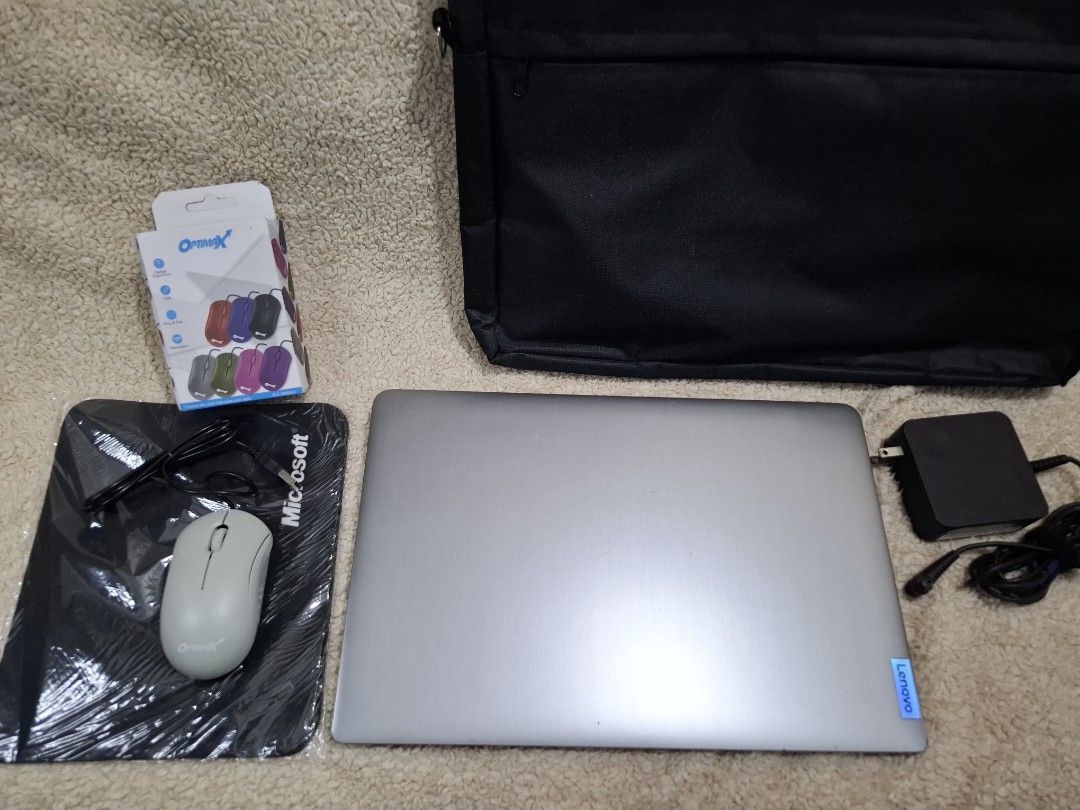
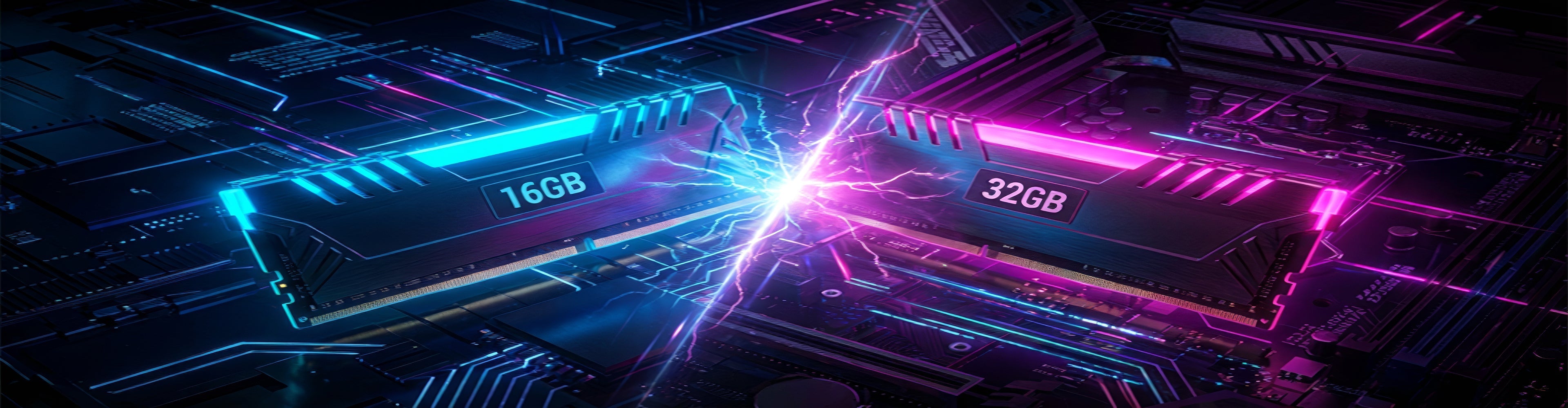
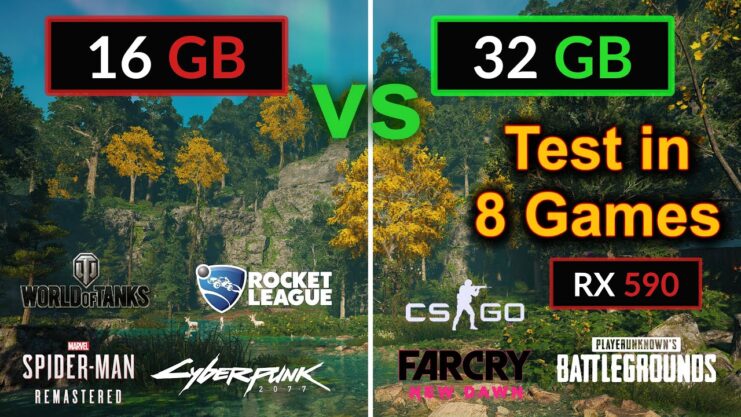
Best Budget 12GB VRAM GPU In 2026 YouTube . Lenovo Ideapad 3 14ALC6 Ryzen 5 5500U Gaming Laptop 256gbssd 12gb Ram Lenovo Ideapad 3 14alc6 Ryzen 1780147036 77983ce5 Progressive . Lenovo Ideapad 3 14ALC6 Ryzen 5 5500U Gaming Laptop 256gbssd 12gb Ram Lenovo Ideapad 3 14alc6 Ryzen 1780147036 8091a0b1 Progressive . How Much RAM Do You Actually Need For Gaming In 2026 Reforged Rigs 16GBvs32GB . The RAM Battle 16GB Vs 32GB Which One Should You Choose 16gb Vs 32 Gb
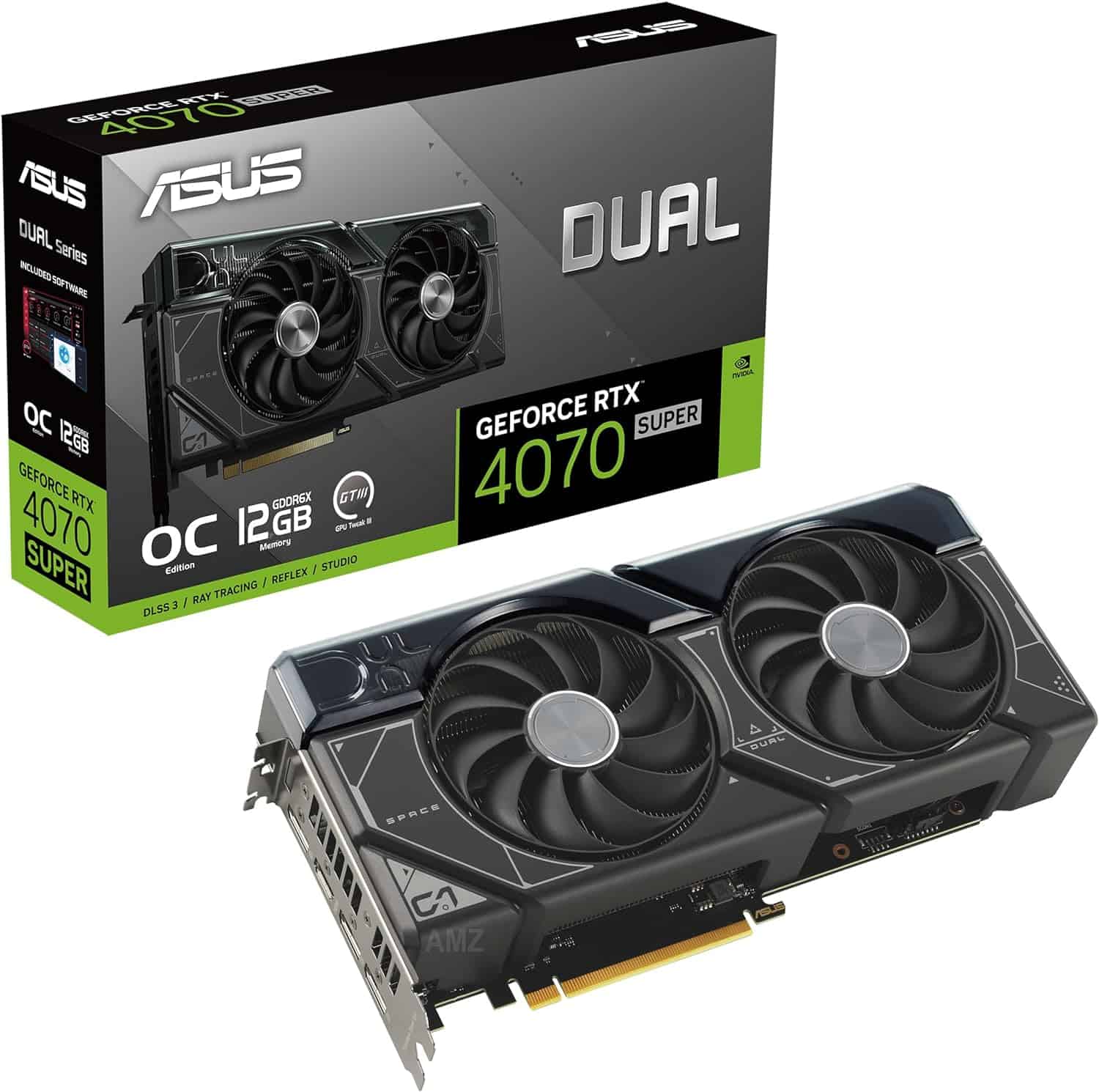

Best GPU Under 600 In 2026 Our Top Graphics Cards Under 600 Dollars ASUS Dual GeForce RTX 4070 Super OC Edition . Intel 10th Gen I5 RTX 3060 12GB 500GB SSD 16GB DDR4 RAM Aftershock Custom Gaming Pc 1767237438 668f5ccb Progressive . Is 12GB Of RAM Good Enough For Gaming Adcod Com Is 12gb Of Ram Good Enough For Gaming . What Is The Difference Between 12Gb And 16GB RAM Adcod Com What Is The Difference Between 12gb And 16gb Ram . Vivo V60 12GB RAM 256GB Price In India Jan 2026



Best 12GB Graphics Cards 2026 Expert Reviews Performance B0DYGDT9YD Customer 1 2 942x2048 . 12 Best Gaming PC Under 1000 In 2026 Tested Reviewed Best DDR5 RAM For Gaming 300x169 . VRAM For 1080p Graphics Cards Linus Tech Tips RTX3060 8GB VS RTX3060 12GB 1080p . Best Gaming PC Builds For 2026 Best Gaming PC Builds For 2026.webp. Why The New 2026 Ram 1500 Near Austin TX With Available HEMI V8 Is A 2026RAM1500 Exterior 01


Buy Best Rgb Ram For Gaming 2026 Best RAM For Gaming In 2024 Best Ram Gaming Corsair Vengeance Pro Rgb Ddr4 . With Xbox Project Helix And DLSS 5 The Next Generation Of Gaming Is 2026 Is Going To Suck For Pc Gaming Q5wr.960 . Is 12GB RAM Good Everything To Know RAM 768x512 . ASUS ROG Strix G16 Laptop AMD Ryzen 9 8940hx RTX 5070 Ti 12gb Vram Asus Rog Laptop Amd Ryzen 9 89 1780539774 9f118221 Progressive . The Best Cheap Gaming Laptops For 2026 Tested For Gaming Top 3 Gaming Laptops Of 2026 - The Ultimate Guide 1200x342